







Global HVAC Market Overview
1.1 Market Size & Growth
The global HVAC systems market reached USD 212.5 billion in 2025, up 9.51% from 2024. It is projected to grow further to USD 228.3 billion in 2026. Growth is driven by three factors: rising global temperatures and frequent heatwaves, continued urbanization, and replacement demand from energy efficiency standard upgrades.
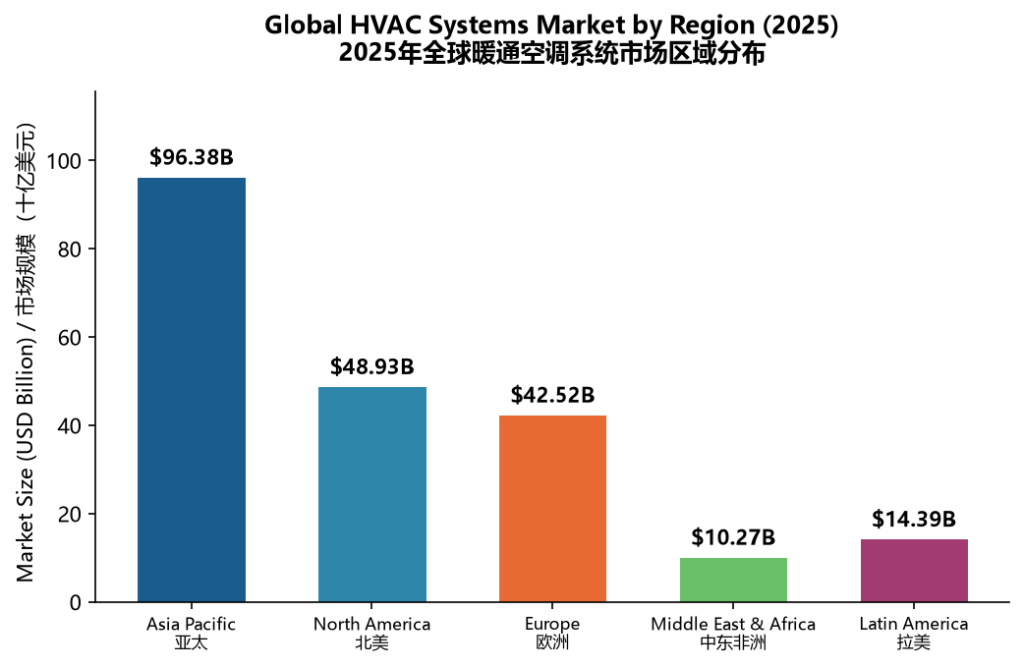
Figure 1: Global HVAC Systems Market by Region (2025)
1.2 Regional Market Analysis
Asia Pacific leads with USD 96.38 billion, driven by China, India, and Southeast Asia. North America (USD 48.93B) is driven by equipment replacement and heat pump subsidies. Europe (USD 42.52B) saw heat pump installations surge 22.7% YoY under energy crisis and carbon neutrality goals. Middle East & Africa see rapid AC penetration growth due to increasing high-temperature days.
1.3 Growth Rate Comparison
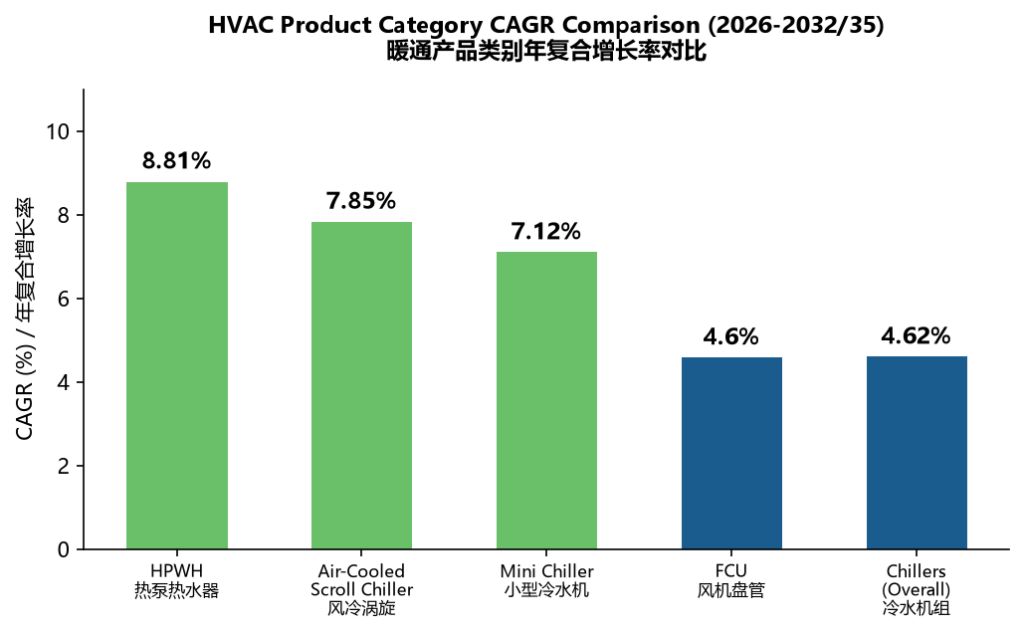
Figure 2: HVAC Product Category CAGR Comparison
Among key product categories, HPWH shows the highest CAGR at 8.81%, followed by air-cooled scroll heat pump units (7.85%) and mini chillers (7.12%). FCU and overall chiller markets are relatively mature with CAGRs of 4.6% and 4.62% respectively.
Key Product Analysis
2.1 Fan Coil Unit (FCU)
e FCU market was valued at USD 5.1 billion in 2025 and is expected to grow from USD 5.4 billion in 2026 to USD 8.1 billion in 2035, at a CAGR of 4.6%. Asia Pacific dominates the market. Daikin Industries leads with over 3% market share. The top 5 players (Daikin, Carrier, Midea, Trane, Johnson Controls) collectively hold 15% market share.
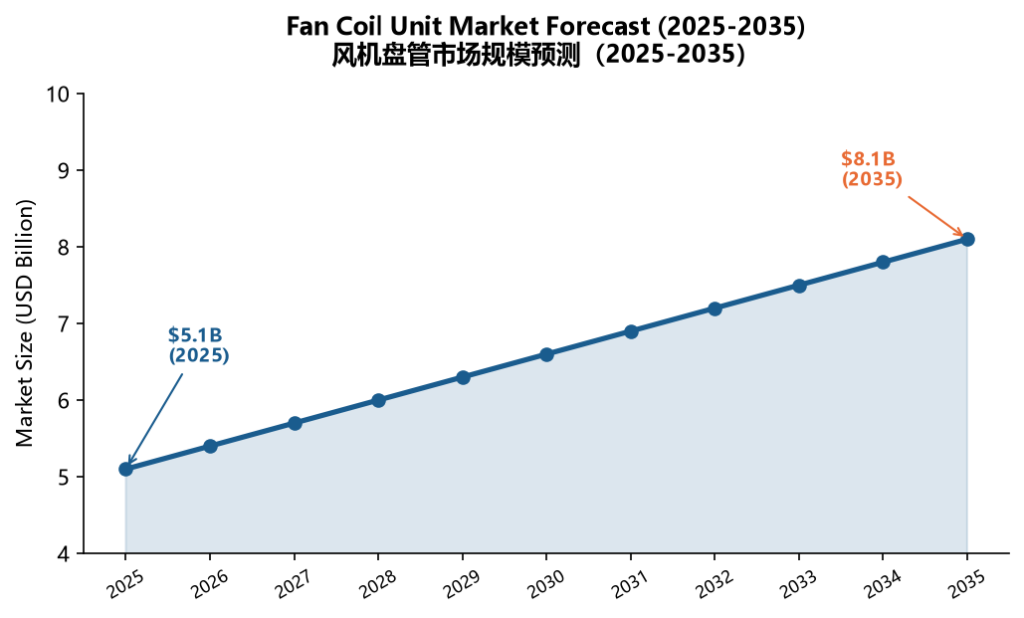
Figure 3: Fan Coil Unit Market Forecast (2025-2035)
Technology Trends:
- EC motor transition: EC motors offer significantly higher efficiency than PSC motors under partial load conditions, becoming the core technology upgrade direction.
- IoT smart integration: IoT-enabled FCUs with occupancy sensors, variable-speed drives, and IP-addressable thermostats significantly improve efficiency through dynamic setting adjustments.
- BMS integration: In Europe and North America, FCU integration with BACnet/IP and KNX open protocols has become standard practice in new commercial developments.
- Data center applications: AI infrastructure expansion drives surging FCU demand for edge data center perimeter cooling.
Market Challenges:
- Copper price surge: Copper prices rose over 33% YoY in 2026; Johnson Controls reported 9% cost overrun in North American FCU business.
- Trade barriers: US Section 301 tariffs on Chinese FCU imports caused Midea 4-pipe FCU US export gross margins to plummet 31%.
2.2 Mini Chiller
The mini chiller market was approximately USD 853 million in 2025. Air-cooled mini chillers captured nearly 70% market share (USD 586.93M), while water-cooled units accounted for 31.2% (USD 265.82M). Commercial buildings are the largest application segment at 49.5%, followed by luxury residential (36.9%).
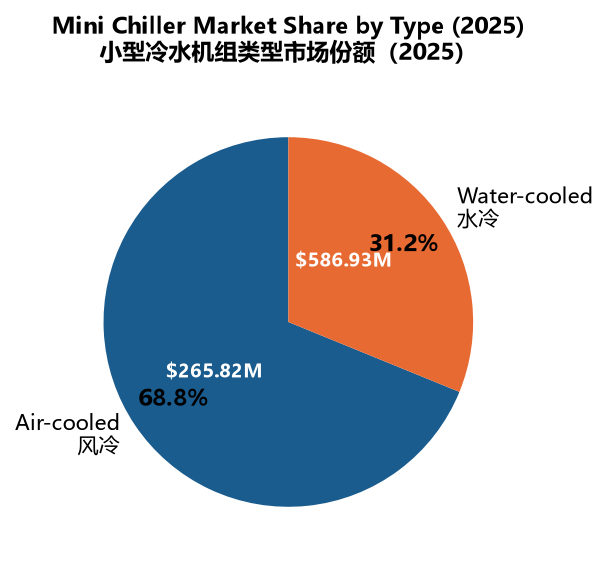
Figure 4: Mini Chiller Market Share by Type (2025)
Technology Developments:
- Full inverter technology: Manufacturers transition toward inverter-driven compressors and integrated smart IoT controls for predictive maintenance and remote energy management.
- Modular design: Top players focus on modular designs allowing easy scalability and simplified maintenance for light commercial users.
- R32 refrigerant adoption: China R32 bulk prices ranged 61,200-62,000 yuan/ton in early 2026, accelerating air-cooled unit deployment.
Asia Pacific dominates due to rapid urbanization in China and India and growing middle-class investment in premium home comfort. Europe follows closely, driven by strict ErP directives. However, high upfront installation costs compared to traditional split AC systems remain a significant barrier.
2.3 Heat Pump Water Heater (HPWH)
The HPWH market is one of the fastest-growing segments, valued at USD 5.19 billion in 2025 and projected to reach USD 9.38 billion by 2032 (CAGR 8.81%). By another measure, the global HPWH market reached approximately USD 28.5 billion in 2025, with YoY growth exceeding 17%. Asia Pacific accounts for 44.51% of global share, while Europe leads policy-driven growth at 42%.
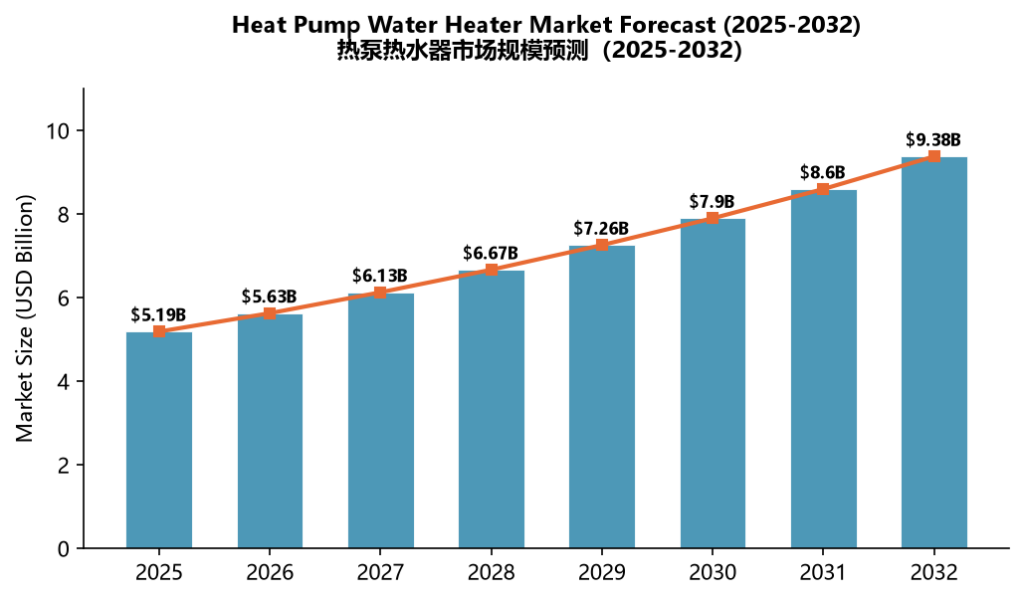
Figure 5: Heat Pump Water Heater Market Forecast (2025-2032)
Technology Routes:
- CO2 heat pumps: CO2 heat pump product shipments in high-temperature hot water grew 28% YoY in 2025, benefiting from stable heating at -25C and output temperatures above 150C.
- Inverter heat pumps: COP generally exceeding 4.5, accounting for over 60% of the residential market.
- R290 natural refrigerant: R290 application in residential integrated units reached 12.7% in China, expected to exceed 18% in 2026.
- AI smart control: AI algorithms analyze usage patterns, ambient conditions, and utility tariffs to optimize heating schedules, supporting load shifting and demand response.
Competitive Landscape:
The top 5 players collectively hold 35-45% market share, including A.O. Smith (8-11%), Rheem (7-10%), Daikin (6-9%), Mitsubishi Electric (5-8%), and Panasonic (5-7%). Midea holds 4-7% share through cost leadership via Chinese manufacturing scale.
2.4 Air-Cooled Scroll Chiller
The air-cooled scroll heat pump unit market was valued at USD 468.5 million in 2025, projected to reach USD 794.3 million by 2032 (CAGR 7.85%). Asia Pacific leads at USD 167.45M. Fixed-speed units dominate (USD 281.15M), with commercial buildings as the largest application (USD 232.55M).
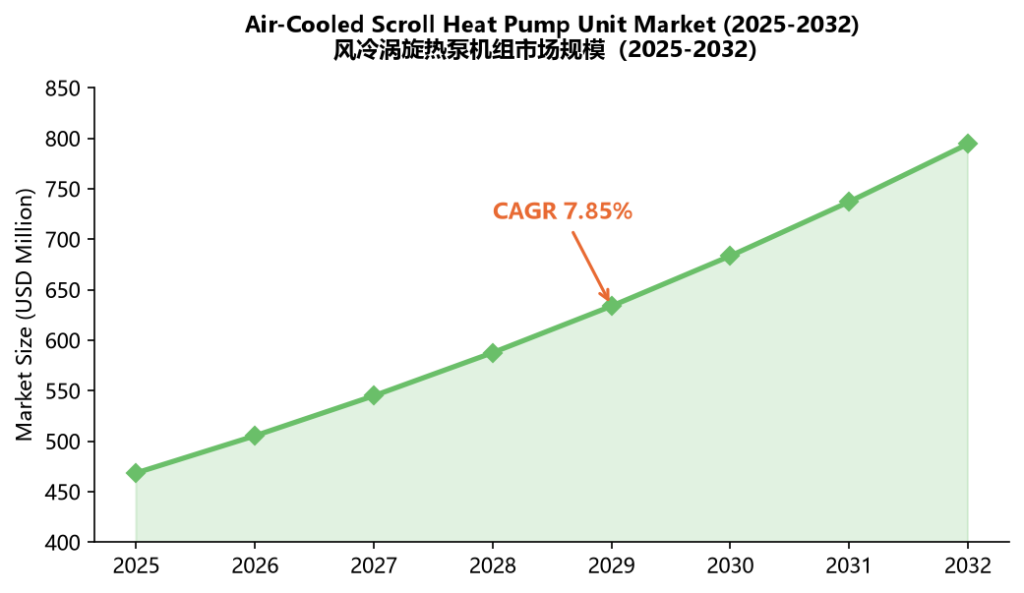
Figure 6: Air-Cooled Scroll Heat Pump Unit Market (2025-2032)
Latest Product Launches:
- Daikin 3rd-gen R32 air-cooled scroll chiller: Extended capacity to 1012kW, EER up to 3.368, IPLV up to 5.165, with three sound configurations and smaller footprint.
- Trane ARIES N R290 air-cooled chiller: Features R290 natural refrigerant and scroll compressors, cooling capacity up to 240kW, ambient -20C to +48C, EER above 3.4.
- Carrier AquaSnap 30RC: Features Greenspeed intelligence and R32 refrigerant, IPLV up to 18, 60-150 ton capacity range, compact tier design.
- Midea AquaThermal Max inverter air-cooled scroll heat pump: Uses R32 refrigerant, signaling inverter air-cooled scroll platforms have become mainstream.
- Daikin Trailblazer AGZ-F: Enhanced air-cooled scroll chiller designed for low-GWP R-32 refrigerant.
Industry trends indicate that inverter control, R-32 compatibility, and partial heat-recovery options have become key decision drivers in procurement, not just optional engineering extras.
Policy & Regulatory Impact
3.1 Refrigerant Transition
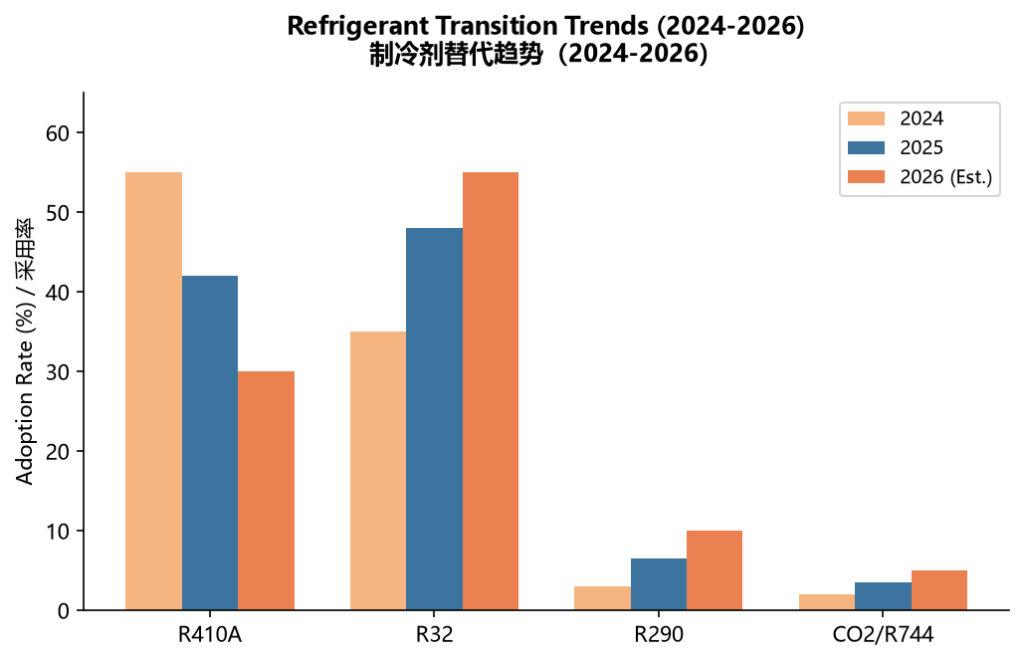
图7:制冷剂替代趋势(2024-2026) Figure 7: Refrigerant Transition Trends (2024-2026)
Global refrigerant transition is accelerating. R32 adoption in commercial AC rose from 37% in 2024 to 48% in 2025, while R290 shipment share in small split ACs exceeded 6.5%. The EU revised F-Gas regulation requires GWP below 750 for new stationary AC equipment from 2027. China will ban production of residential ACs with GWP above 750 refrigerants from January 1, 2029 (excluding VRF systems).
3.2 Energy Efficiency Standards
- China: New GB 21455-2025 effective January 2026 raises inverter AC efficiency threshold by 15%. Tier-1 efficiency penetration jumped from 28% in 2023 to 54% in 2025.
- USA: DOE SEER2 standard effective January 2025, minimum SEER2 of 14.3 for residential AC; 2026 commercial AC rule requires SEER2 no less than 15.2.
- EU: New energy label regulation (effective 2025) raises minimum efficiency to Class A, forcing approximately 22% of products off the market.
3.3 Trade Policy & Tariff Impact
Trade frictions significantly impact AC exports. In Jan-May 2026, China AC export value and volume declined 14% and 12% YoY respectively. US tariffs on Chinese VRF products raised export costs by 8%. However, China AC exports to the EU reached USD 3.76 billion, surging 43.2% YoY to a record high, driven by European extreme heat activating consumer demand.
Regionalized supply chain restructuring is evident, with North American localized capacity planning accelerating. In 2026, Mexico had 7 AC factory investment projects under construction. Vietnam and Mexico assembly capacity shares rose to 12% and 8% respectively.
3.4 Raw Material Cost Pressure
In 2026, copper prices surged over 33% from end-2025, briefly breaking the historic high of 105,000 yuan/ton. Copper accounts for 20-25% of AC costs; every 10,000 yuan/ton increase raises per-unit costs by 200-600 yuan. Combined with refrigerant prices surging 80% YoY and rising aluminum, chip, and logistics costs, mid-small manufacturers profits were severely compressed. The industry has bid farewell to the “thousand-yuan machine” era, entering a new phase of value competition.
Brand Technology Innovations
4.1 Daikin
Daikin unveiled major innovations at AHR Expo 2026: Magnitude WME-C Quad Chiller (2,000-3,000 ton capacity with ultra-low GWP refrigerants), Pathfinder AWV-C fan deck and AWM chiller (operable in 131F extreme conditions). Daikin invested USD 163M in an advanced R&D test lab. The 3rd-gen R32 air-cooled scroll chiller extends capacity to 1012kW, with R-290 air-to-water heat pump series (EWYK-QZ/CZ) also launched.
4.2 Midea
Midea Building Technologies launched V9 VRF system (with ShieldBox II electronics box and R32 refrigerant), complete R290 heat pump matrix (4kW-70kW), and data center liquid cooling solutions (PUE below 1.2) at MCE 2026 Milan. MagBoost Apex Pro magnetic levitation chiller achieves IPLV of 9.71. Midea AC topped China central AC market with 36% share, investing over 18 billion yuan in R&D over 5 years, mastering 80 internationally leading technologies.
4.3 Gree
Gree showcased Flexx Ultra Heat dual-heat-source system (compatible with gas and electric), GMV6 inverter heat pump heat recovery VRF (575V high-voltage inverter, SEER 9.0, energy savings over 25%) at AHR Expo as a “Heat Pump Specialist.” GMV9 series features full-condition refrigerant active regulation, -35C to 60C wide temperature range, self-developed AI energy-saving chip. Solar-storage AC series achieves “zero electricity cost” operation.
4.4 Trane
Trane introduced the next-generation ARIES N R290 air-cooled scroll chiller with 240kW cooling capacity, leaving water temperature -12C to +25C, ambient -20C to +48C, EER above 3.4, SEER 5.0. Features proprietary SDS2E safety concept and Trane Symbio 800 controller supporting BACnet IP and Modbus TCP. CGAM air-cooled scroll chiller adds factory-installed partial heat recovery.
4.5 Carrier
Carrier launched AquaSnap 30RC air-cooled scroll chiller with Greenspeed intelligence and R32 refrigerant, IPLV up to 18, compact tier design. Carrier Abound Insights platform added “Tell Me More” generative AI feature, combining predictive insights with equipment O&M knowledge for conversational AI assistance. Commercial HVAC lead times extended 22% due to ECM motor and electronic controller shortages.
4.6 Other Brands
- LG: Launched modular inverter scroll heat pump chiller (30-90RT, R32), integrated direct liquid cooling data center solution, and updated Multi V i VRF system.
- Hitachi: Showcased high-efficiency low-pressure chamber scroll compressors covering heat pumps, commercial refrigeration, and data center cooling, with enhanced vapor injection and eco-refrigerant compatibility.
- Haier: Launched 4Hz ultra-low-frequency central AC series with minimum operating power of 124W, noise as low as 16dB(A), -37C to 67C ultra-wide temperature operation. Cloud Flame HOT series enhances cold region adaptation.
- Johnson Controls (YORK): Launched YK-HT two-stage energy-efficient centrifugal chiller designed for data centers, with high-lift compressor enabling dry cooler replacement of cooling towers, eliminating water consumption entirely.
Sales Data & Market Share
5.1 China AC Market Share
China AC market H1 2026 shows a duopoly: Gree reclaimed #1 with 32.8% share, Midea follows at 29.0%, together holding 61.8%. Haier maintains 15% at #3. Xiaomi emerged as the biggest variable with 13.7% share and over 50% YoY growth. Online: Gree 21.38%, Midea 18.03%, Xiaomi 10.28%; Offline: Gree 33%, Midea 22%, Haier 18%.
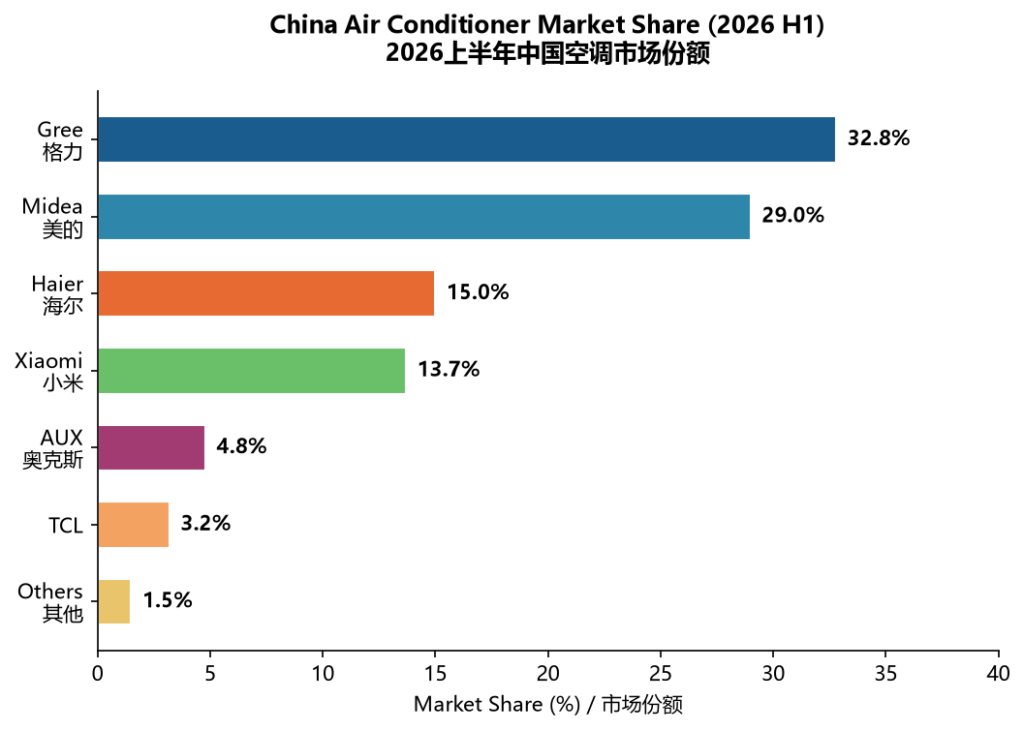
Figure 8: China AC Market Share (2026 H1)
5.2 Global AC Brand Share
By global retail revenue, Daikin leads at 16.8%, followed by Gree (13.1%) and Midea (11.0%). By global shipment volume, Midea tops at 27.5% (over 71.83 million units annually), achieving “1 in every 4 ACs globally is made by Midea.” Chinese brands (Midea, Gree, Haier) collectively hold over 60% global share.
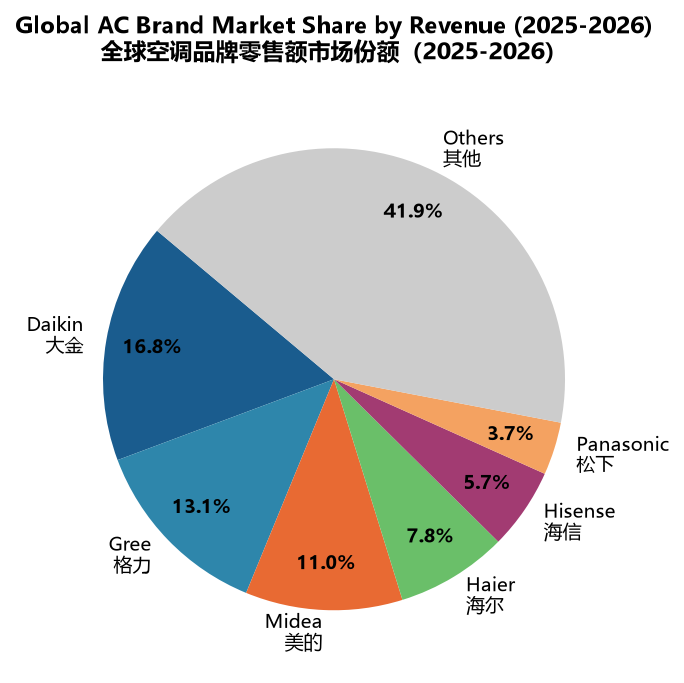
Figure 9: Global AC Brand Market Share by Revenue
5.3 Export & Trade Data
| 指标 Metric | 数据 Data | 同比变化 YoY Change |
| 中国空调出口额(2026年1-5月) | — | -14% |
| China AC Export Value (Jan-May 2026) | ||
| 对欧盟出口额 | 37.6亿美元 | +43.2% |
| EU Export Value | USD 3.76B | |
| 对东盟出口 | 增长 | +14% |
| ASEAN Export | Growth | |
| 对中东出口 | 增长 | +21% |
| Middle East Export | Growth | |
| 全球热泵热水器贸易总额(2025) | 98亿美元 | +19% |
| Global HPWH Trade (2025) | USD 9.8B |
European extreme heat activated consumer demand: Midea PortaSplit mobile split AC became a phenomenon with 160,000+ new orders since June 2026; Haier European AC sales grew 30% YoY; Gree France terminal sales surged 50% YoY. However, the EU Cyber Resilience Act takes effect December 2027, requiring smart ACs sold to Europe to meet full-lifecycle cybersecurity requirements.
Market Outlook
6.1 Industry Development Trends
- Deep integration of intelligence and scenarios: AI advances from “connectivity + voice” to “proactive sensing, proactive adjustment, proactive service,” making AC the home “air manager.”
- Green low-carbon irreversible: Fluorine-free ACs (R290, etc.) designated as key promoted green products; solar-direct-drive AC and heat pump technologies move from concept to scale application.
- From price to value competition: In a stock-dominated market, companies raise ASPs and profitability through mid-to-high-end structured products; 10-year warranty commitments become competitive barriers.
- Globalization and localization equally important: Successful overseas expansion requires deep localization including local factories, region-adapted R&D, and local channel and service networks.
6.2 Growth Opportunities
- Data center cooling: Global data center HVAC equipment spending reached USD 18.9B in 2025, growing 15.6% annually; AI computing expansion drives DPU-level precision AC demand up 27% YoY.
- Heat pump heating: China northern clean heating drives ASHP heating shipments past 6.2 million units; European heat pump penetration reaches 35%, with REPowerEU driving CAGR above 12% for 2026-2030.
- Specialty AC: Data center liquid cooling, NEV thermal management, and agricultural environmental control segments expected to exceed RMB 30 billion in 2026.
- Existing building renovation: Hitachi SET-FREE RIII targets existing building AC renovation pain points; replacement demand reached 31% of total demand in 2025, growing at 9.8%.
6.3 Risks & Challenges
- Raw material price volatility: Core materials like copper and aluminum fluctuate at high levels; electrolytic copper prices rose over 33% YoY in May 2026, severely eroding industry profits.
- Intensifying trade barriers: US Section 301 tariffs, EU Cyber Resilience Act, and other trade and technical barriers continue to escalate, challenging Chinese AC exports.
- Weak domestic demand: Subsidy policy tightening (from 3 items to 1), real estate downturn, and low consumer confidence led to H1 2026 domestic AC retail decline in both volume and value.
- Installer shortage: Approximately 9% of subsidized North American residential heat pump projects were canceled due to installation contractor capacity shortages, constraining market expansion.
Conclusion
The global HVAC industry stands at a critical juncture of old-to-new growth driver transition. The rigid demand from climate change, the surging force of AI technology revolution, the strong pull of green policies, and sustained consumption upgrades collectively form the industrys fundamental outlook.
In key products: FCU benefits from data center and AI infrastructure expansion, with EC motors and IoT integration as core upgrades; mini chillers move toward full inverter and modular design; HPWH leads with the highest growth rate, driven by global electrification and decarbonization policies; air-cooled scroll chillers undergo refrigerant transition from R410A to R32 and R290, with inverter technology becoming standard.
Chinese brands, leveraging complete supply chains, scale cost advantages, and rapid market response, have achieved dominant positions in the global AC industry. Midea leads shipments with 27.5% global share, while Gree consolidates the high-end market through technology depth and quality reputation. However, challenges including soaring raw material costs, escalating trade barriers, and weak domestic demand remain severe.
Going forward, companies that are user-centric, use technological innovation as their spear, green sustainability as their shield, and adopt a global strategic vision will seize the initiative in this round of industrial restructuring, leading the global HVAC industry toward a smarter, greener, and more comfortable new future.
──────────────────────────────────────────────────
Data Sources:
- Global Market Insights, Precedence Research, IMARC Group, 360iResearch, Fortune Business Insights
- Value Market Research, MarketIntelo, PW Consulting (pmarketresearch.com)
- GEP Research, Euromonitor International, GfK中怡康, 奥维云网 (AVC)
- Daikin, Carrier, Trane, Midea, Gree official press releases
- 千家网, 制冷快报 (bao.hvacr.cn), 美通社 (PR Newswire)
- U.S. Department of Energy, European Commission, 生态环境部
- ASHRAE, AHRI, ACHR News
This report is compiled from public market research reports, industry news, and corporate public information for reference only, and does not constitute investment advice or decision-making basis. Different institutions may use varying statistical method